
- Home
- I am a …
- Resources
- Collections
- Post-lockdown teaching support
- Remote teaching support
- Starters for ten
- Screen experiments
- Assessment for learning
- Microscale chemistry
- Faces of chemistry
- Classic chemistry experiments
- Nuffield practical collection
- Anecdotes for chemistry teachers
- More …
- Literacy in science teaching
- Climate change and sustainability
- Alchemy
- On this day in chemistry
- Global experiments
- PhET interactive simulations
- Chemistry vignettes
- Context and problem based learning
- Journal of the month
- Chemistry and art
- Classic chemistry demonstrations
- In search of solutions
- In search of more solutions
- Creative problem-solving in chemistry
- Solar spark
- Chemistry for non-specialists
- Health and safety in higher education
- Analytical chemistry introductions
- Exhibition chemistry
- Introductory maths for higher education
- Commercial skills for chemists
- Kitchen chemistry
- Journals how to guides
- Chemistry in health
- Chemistry in sport
- Chemistry in your cupboard
- Chocolate chemistry
- Adnoddau addysgu cemeg Cymraeg
- The chemistry of fireworks
- Festive chemistry
- Collections
- Education in Chemistry
- Teach Chemistry
- Events
- Teacher PD
- Enrichment
- Our work
- More from navigation items




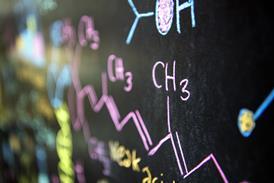




Kitchen chemistry
Investigate the science that happens in your kitchen every day
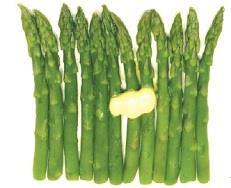
Asparagus pee
A video explaining that asparagus should be cooked in butter rather than water because the molecules responsible for its flavour are water-soluble, and a worksheet about the molecules responsible for ‘asparagus pee’.
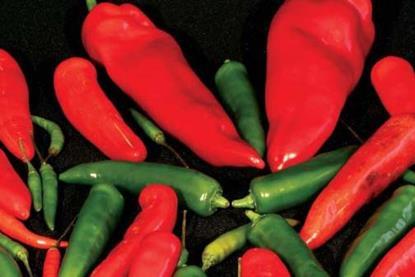
How hot are chilli peppers?
This resource explores the chemistry of capsaicinoids and the properties they give to chillies.
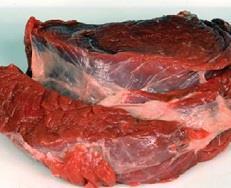
Chemical changes during cooking
This shows experiments in which different cuts of meat are cooked under different conditions to determine the optimum cooking temperature.
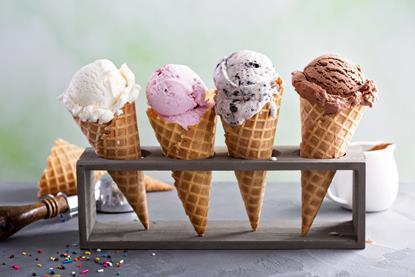
The science of ice cream
Videos discussing the science of ice cream with, celebrity chef, Heston Blumenthal.
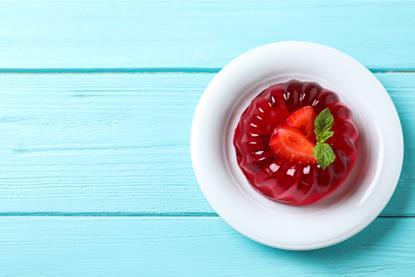
Enzymes and jellies
If you add certain fresh fruit such as pineapple to jelly, it will not set. The task in this resource is to investigate why.
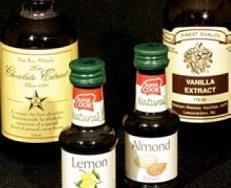
The chemistry of flavour
Worksheets and videos on the molecules responsible for flavour, and how cooking affects cell walls.
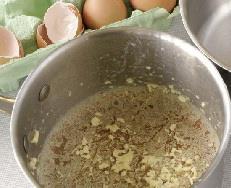
Why do pans stick?
This resource looks at Teflon and its properties. What is Teflon and why does it stop food sticking to the pan?
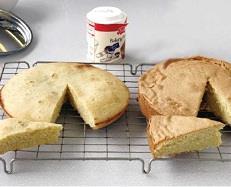
The chemistry of baking powder
Information and questions about how baking powder works.
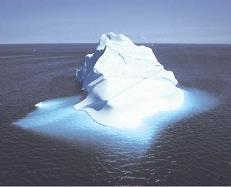
The structure of ice and water
A worksheet exploring the structural differences between the solid and liquid versions of this most ubiquitous compound.
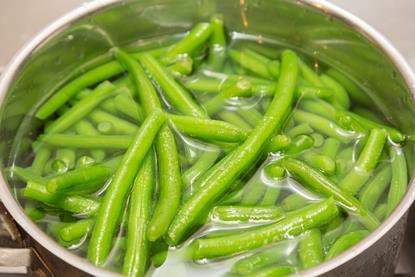
Should beans be cooked with the lid on or off?
An investigation into whether having the lid on or off affects the colour of green vegetables.
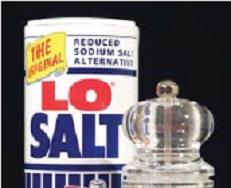
Low sodium salt substitutes
This resource uses a titration method to analyse the chemical composition of Lo-Salt, a reduced sodium salt alternative.
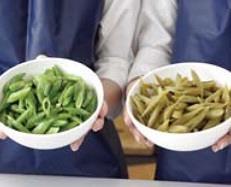
What affects the colour and texture of cooked vegetables?
Practical work and questions about the effect of salt, sodium bicarbonate and calcium ions on the colour and texture of cooked vegetables.
By how much does salt increase the boiling point of water?
This resource explores why salt is always added to the water when cooking.
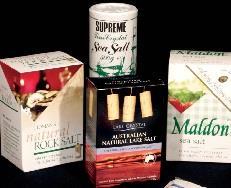
Is all salt the same?
This resource looks at types of salt and the differences between them.
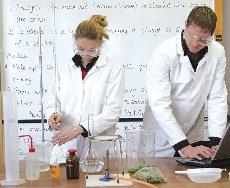
Use of salt in cooking, part 2
This resource explores why salt is always added to the water when cooking green vegetables.
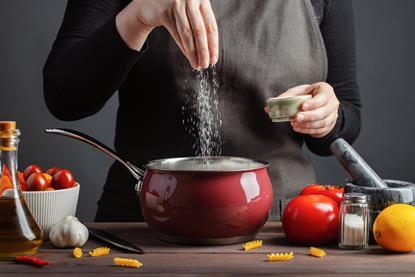
Use of salt in cooking, part 1
In this activity students devise and carry out experiments to test possible reasons for adding salt when cooking vegetables.