


RSC - Advancing the Chemical Sciences


Members


Committee Members' Biographies


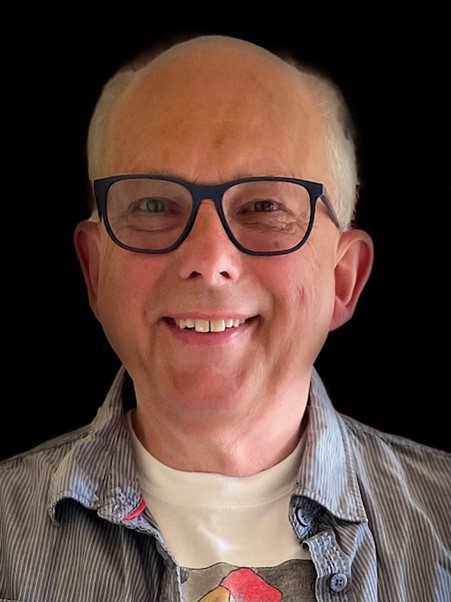
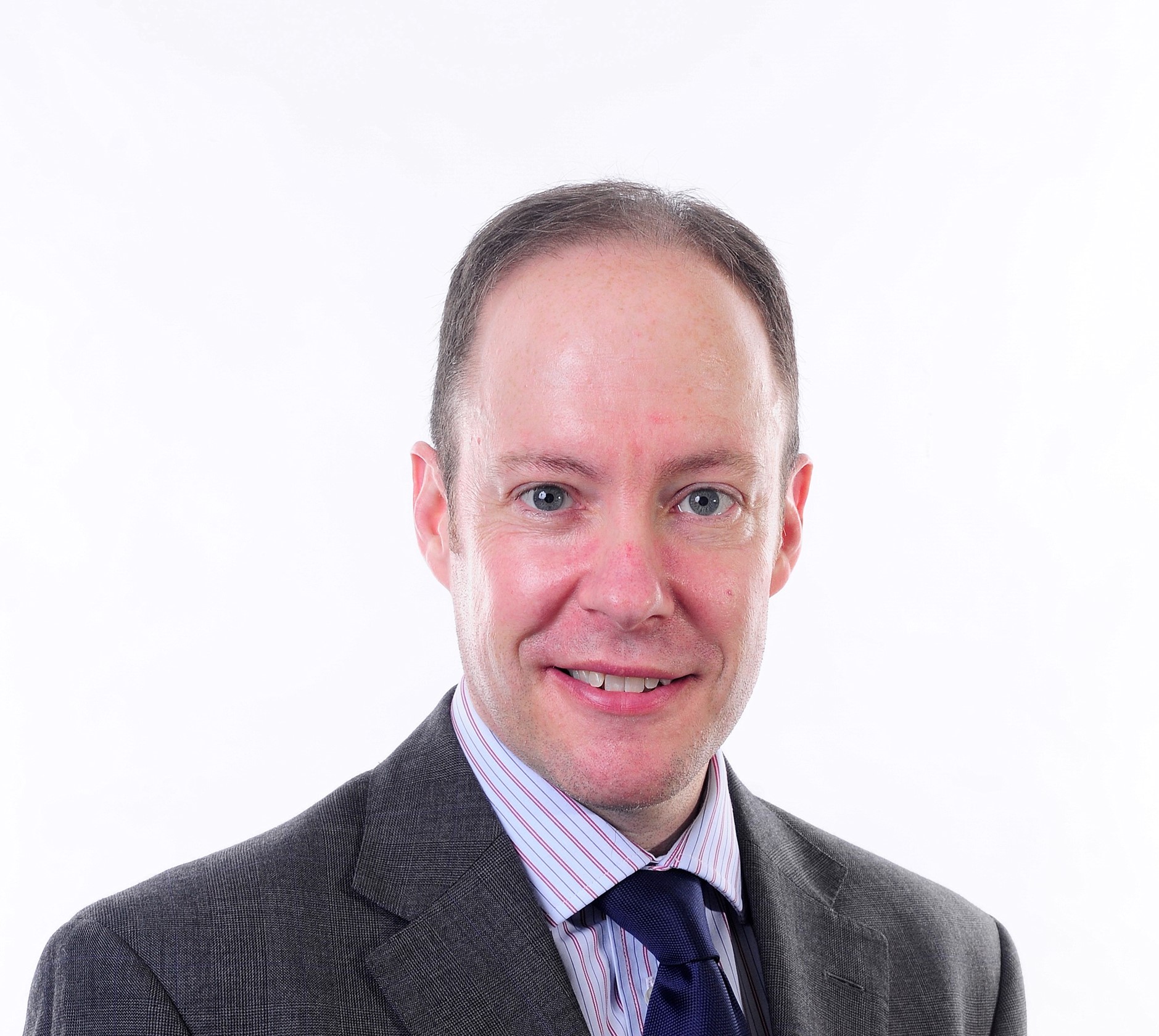
Picture of Mr Kevin Prior EurChem CSci CChem FRSC

Mr Kevin Prior EurChem CSci CChem FRSC

Chairman

Kevin is a process chemist with over 35 years' experience in industry.  He initially worked as a raw materials chemist in the pharmaceutical industry gaining RSC membership via the HNC, LRSC route becoming a Fellow in 1994. This was followed by 25 years in the water industry where Kevin became General Manager (Environment and Quality) for a UK water company. Kevin is currently joint owner and director of a niche consultancy with a particular interest in the "Sustainable Use of Water". He has been an Honorary lecturer at the David Livingstone Centre for Sustainability at the University of Strathclyde, and the Dept. of Chemical Engineering at UMIST (now University of Manchester). He has major interests in Business Strategy and Sustainability plus Global Water Policy. He is currently Chair of the Water Science Forum.


Picture of Dr Helen Keenan CSci CChem MRSC

Dr Helen Keenan CSci CChem MRSC

Vice-Chairman

Dr. Helen Keenan is an analytical chemist, with expertise in the determination, monitoring and modeling of persistant environmental pollutants (POPs). This includes pollutants that are endocrine disruptors, such as bisphenol A (BPA) and polychlorinated biphenyls (PCB's). She was appointed as an academic lecturer within the DLCS in 2008, following on from her role as Laboratory Manager.

Dr. Keenan was awarded her PhD from the University of Strathclyde in 2001 for research on oestrogen fate during water treatment. She is currently Director of the MRes programme within the department and teaches at both undergraduate and postgraduate levels. She co-leads the Environmental Pollution and Health Effects Group with Dr. Christine Davidson in the Department of Chemistry and has other collaboration projects with Naval Architecture-Marine Engineering, the University Marine Station at Millport and two Strathclyde links projects. She supervises 5 full time PhD students, 2 part time PhD students and is external co-supervisor of 2 other PhD students.

In 2007, Dr. Keenan was invited to join the United Nations GESAMP (Group of Experts on the Scientific Aspects of Marine Environmental Protection) and currently serves as Chair of Working Group 37, dealing with mercury and its compounds.

Related Links

Link icon Helen Keenan University of Strathclyde
University of Strathclyde


External links will open in a new browser window


Picture of Dr Roger Wellings FRSC

Dr Roger Wellings FRSC

Secretary

Following a Doctorate at Imperial College in Public Health Engineering, Roger has spent over 35 years experience in the water and the environment industry as an environmental chemist, initially with consultants followed by the British Standards Institution.  While in consultancy Roger had experience in both the clean water and wastewater areas but also had comprehensive experience in the field of industrial and toxic wastes.  At BSI he has managed the water quality standardization activities for 25 years covering national, European and international standardization work.  In addition Roger was responsible for the secretariat of the International standards committee on water sampling.  He was also  team leader of the BSI Sustainability team, which covers standardization matters not only in the environmental quality areas but also sustainable issues such as carbon and water footprinting, sustainable procurement and sustainable events. 


He has been a Fellow of the Royal Society of Chemistry for some 20 years, was a member of the RSC Analytical Methods Committee for a number of years and joined the Water Science Forum Committee in 2008


Picture of Mr Gavin Mills CChem FRSC

Mr Gavin Mills CChem FRSC

Treasurer

Gavin is Principal Development Scientist at Severn Trent Water's, Water Supply Laboratory in Bridgend. His role includes dealing with development issues on behalf of STW, mainly concerning the development of analytical methodologies for organic substances in addition to project management duties and heading up the organisation’s competent persons development strategy. Working alongside the Principal Research Scientist, technical management and sales teams, Gavin seeks to identify new opportunities for growth within STW, in terms of new technologies and emerging areas of interest in the field of environmental monitoring. Current projects include the development of an on-line monitor for the determination of trihalomethanes (disinfection by-products) in drinking water, in cooperation with Aqua Metrology Systems Inc. Gavin has worked in the water/environmental testing industry for over twenty-seven years and sits on ISO, RSC and SCA committees. Gavin also chairs the “Leap Best Practice” group through laboratory “Mutual Aid”. This group seeks to improve screening techniques for contaminants in potable water. He enjoys working with other chemists in the field and appreciates that chemistry is a vital science, which he is keen to promote as much as possible.


Ordinary Members


Picture of Dr Ian Barnabas CSci CChem FRSC

Dr Ian Barnabas CSci CChem FRSC

Ian is the clean water Laboratory Manager for Northumbrian Water and has over 15 years experience in the environmental testing industry. Following completion of his Doctorate in environmental organic analysis, he worked as an analytical chemist in both clean water and environmental labs focusing on the analysis of trace organics before moving into various operational roles within Northumbrian Water. Ian has many years of experience participating in various groups including SCA, CEN and ISO committees, focusing on environmental analysis where he is always keen to share and promote new ideas.


Picture of Prof Elise Cartmell CChem FRSC

Prof Elise Cartmell CChem FRSC

Elise Cartmell joined the academic staff at Cranfield in 2000 as a lecturer from the research and consultancy company WRc plc. Over the past 12 years at Cranfield she has developed a substantial research activity in wastewater treatment with special reference to energy recovery from anaerobic processes and fate of hazardous chemicals. She leads the Cranfield Water Science Institute (CWSI) which is recognised internationally for its research, education, training and consultancy. The institute focus is on the science, engineering and management of water in municipal, industrial and natural environments. Activities encompass treatment technologies, engineering, irrigation, socioeconomics and policy where these relate to the improvement of water quality, and the protection and enhancement of the natural, human and industrial environments. Over the last ten years Elise Cartmell has contributed to establishing Cranfield as one of the centres of excellence in the analysis and environmental fate of hazardous chemicals and is on the steering group which leads the £25 million Water Utility Chemicals Investigation (CIP) programme. She also leads the Wastewater Research and Development Partnership programme for Severn Trent with Atkins.


Picture of Mr Simon Gillespie CChem FRSC

Mr Simon Gillespie CChem FRSC

Simon Gillespie joined the Scottish water industry as an analytical chemist in 1989 after starting his career in nuclear fuel manufacturing, then spending several years in the oil industry in Saudi Arabia. Since Simon joined, responsibility for provision of water and wastewater services in Scotland has been rationalised from 12 local authorities, by way of 3 regional authorities (1996) to Scottish Water (2002). Over this period, the number of supporting laboratories has reduced from around 14, to just two. Simon’s main area of technical expertise is in elemental analysis by ICP-AES and ICP-MS, though he has accumulated experience in many areas of analytical chemistry and microbiology, and he now heads the Scottish Water Laboratories Department. As well as being a member of the Water Science Forum, Simon sits on the RSC Admissions Committee and the strategic board of the Standing Committee of Analysts, which publishes the renowned “blue book” series of reference methods for the examination of water and associated materials. Simon also participates in water quality related BSI and ISO committees and is currently Convenor of an ISO Working Group developing international standards for discrete analysis.


Picture of Dr John Gray CChem FRSC

Dr John Gray CChem FRSC

John Gray has over 40 years’ experience in the water industry both as an operational scientist in water companies and as a regulator.  He managed analytical laboratories in Kent and Sussex and before retirement was Deputy Chief Inspector (Operations) with the Drinking Water Inspectorate. He has investigated and reported on a number of high profile contamination incidents in the UK and abroad.  

John established significant national and international linkages enhancing the security of drinking water supplies and managed a number of associated research projects.  He continued working in this area after retirement and is a member of a number of research steering committees for projects being undertaken for the Environmental Protection Agency in Ireland. He was a panel member for DEFRA reviewing appeals against the designation of Nitrate Vulnerable Zones.   

John was co-editor of the proceedings of the first three and the latest (the fifth) Water Contamination Emergencies Conferences and has contributed to a number of books. He also gives occasional lectures to University students.

John became a Licentiate of the Royal Institute of Chemistry in 1972 and a Fellow of the RSC in 1985. He obtained his Doctorate in 1978 and a Diploma in Ecology from the University of Canterbury in 1987.


Picture of Mr Jonathan Mace MRSC

Mr Jonathan Mace MRSC

Jonathan is Quality Manager at Severn Trent Services’ Wakefield Laboratory. Jonathan’s career in the water industry started with Yorkshire Water’s scientific services at their Sheffield Laboratory in 1985.  He has been involved in quality management since 1992, is an active member of the Chartered Quality Institute and a Chartered Quality Professional. His particular areas of interest include analytical quality control, method validation, uncertainty of measurement and the promotion of continuing professional development.


Dr Martin Padley CChem FRSC

Martin is the Head of Scientific Services at United Utilities - responsible for the sampling and analytical teams - taking all clean water samples and regulatory wastewater samples and all aspects of water, wastewater and trade effluent analysis.  Martin joined the water industry in 1994 and has held a wide range of scientific, management, regulatory and operational roles within United Utilities. 

Martin joined the water Science Forum in 2012, has a degree and PhD in chemistry and is a Charted Chemist.


Picture of Prof K Clive Thompson CChem FRSC

Prof K Clive Thompson CChem FRSC

Chief Scientist at ALcontrol Laboratories

Chief Scientist at ALcontrol Laboratories which is one of the largest food and environmental contract laboratory organisations in Europe with over 1800 staff. The company operates in 11 European countries and is currently expanding to take its services into new markets. Fellow of the Royal Society of Chemistry; Chartered Chemist; Chartered Scientist; Fellow of the Chartered Institute of Water and Environmental Management; Fellow of the Royal Institute of Public Health; Member of the Water Management Society (MWMSoc); Visiting Professor at Brunel University of London; Member of the American Chemical Society and Member of the Society of Environmental Toxicology and Chemistry


Co-opted Members


Picture of Mr Paul Bolas CChem FRSC

Mr Paul Bolas CChem FRSC

Honorary Member

After his early career years in a National Coal Board laboratory, during which time he gained his External London Degree, Paul joined the Mid Kent Water Co. as Chemist and Bacteriologist, and established their laboratory service. He stayed with the company until he retired, by which time he had become Chief Scientist, Scientific Director, and Managing Director of the company's subsidiary consulting arm (Mid Kent Scientific Services).

A founder member of WSF he has been an active committee member on many occasions and is a past Chairman. His hobbies and interests include, The Environment, Nature Conservation, Bee Keeping, Angling, Gardening, and his dogs.


Picture of Mr Bruce Petrie AMRSC

Mr Bruce Petrie AMRSC

Following a master’s degree in analytical chemistry at the Robert Gordon University, Bruce is currently undertaking a PhD within the field of wastewater treatment at Cranfield University. This is investigating the fate of hazardous chemicals in secondary biological processes. Bruce joined the Water Science Forum committee as the student member at the end of 2010.


Corresponding Members


Picture of Dr Ulrich Borchers

Dr Ulrich Borchers

Ulrich Borchers studied food chemistry in Braunschweig (Germany) and obtained his PhD in water microbiology in 1993. For his doctoral thesis he worked in a research project concerning the microbial nitrate turnover in pleistocenic aquifers.

Ulrich has been working with the IWW Water Centre in Muelheim/Ruhr (Germany) since 1993, in different executive positions. Since 2002 he has been Manager of the Water Quality Department and Authorised Officer of the Water Centre. His routine lab and the R&D group comprise nearly 50 scientists from various disciplines and technical staff as well. In 2004 he was also appointed Technical Chief Executive Officer of the IWW NORD, a branch of the IWW Water Centre in Northern Germany.

The focus of Ulrich Borchers’ work is on water analysis. Furthermore, he is active in the field of organising national and international PTs for water parameters and he also has long-term experience as lecturer at the “Academy of Public Health” in Duesseldorf, Germany (education of health authorities´ staff).

He has been the Chair of several European Conferences in the field of Water Policy. Finally, Ulrich is active in the field of European (CEN) and International (ISO) standardisation of analytical methods and is involved with several activities around the implementation of European Water Directives. He has published about 48 papers in international literature and several books.


Picture of Dr Rita Henderson MRSC

Dr Rita Henderson MRSC

After gaining an MChem honours degree in Environmental Chemistry and working for one year as an environmental consultant, Rita completed an MSc in Water Pollution Control Technology at Cranfield University.  She remained there to continue her studies within the field of drinking water treatment and is completed a PhD in October 2007.  Rita is a Member of the Royal Society of Chemistry and has served as the Student Committee member for the Water Science Forum for over two years.  


Picture of Mr Eric Huff CChem FRSC

Mr Eric Huff CChem FRSC

Eric’s working lifetime was spent working in the electricity generating industry primarily as a chemist, with a short spell in Health Physics at a nuclear power station, and undertaking the role of environment management as that came to the fore in the 1990s. His early career was with the Central Electricity Generating Board, then with its successor companies after privatisation. Following retirement from fulltime employment he undertook work as a consultant which mainly involved contract negotiation, plant commissioning, technical auditing and due diligence activities. He has worked throughout the UK and across a large part of the globe in plant generating electricity from coal, oil, gas and nuclear sources.

Eric is currently Honorary Treasurer to the British & Irish Association for the Properties of Water and Steam (BIAPWS).


Picture of Dr John Machell CChem FRSC CWEM FCIWEM

Dr John Machell CChem FRSC CWEM FCIWEM

John is a Post Doctoral Research Fellow in the Pennine Water Group within the Civil & structural Engineering department of the University of Sheffield. His current research interests are mostly associated with advancing the understanding and control of water supply systems and current projects involve hydraulic and water quality modelling, novel disinfection methods, relationships between distributed water age and quality, and hydrokinetic pipe cleaning techniques. Prior to this, he gained a broad water industry background with 30+ years of hands on operational and research experience of laboratory analysis, water resources treatment and distribution, waste water treatment and disposal, process chemistry control and optimisation, trade effluent management, and pollution prevention.
John is a Chartered Chemist, Chartered Scientist, a Fellow of the Royal Society of Chemistry, and a member of the RSC Environmental Chemistry, Energy Sector, and Water Science Forum groups, and has served on the Water Science Forum committee for 2 years. Additionally, he is a Chartered Water and Environmental Manger and a Fellow of the Chartered Institution of Water and Environmental Management.

Related Links

Link icon Pennine Water Group
The Pennine Water Group (PWG) is an Engineering and Physical Sciences Research Council (EPSRC) funded Platform Grant centre dedicated to research into water and wastewater


External links will open in a new browser window


Picture of Mr Chris Martin CSci CChem MRSC

Mr Chris Martin CSci CChem MRSC

Managing Director of H2O Chemicals

Chris has worked in Water Treatment since 1983 and has been MD of H2O Chemicals since he formed the company in 1991.  Chris has served as Chairman of the British Association of Chemical Specialities (BACS) water treatment group, as Chair of the Legionella Control Association (LCA) and represented BACS on the Royal Society of Chemistry (RSC) Water Science Forum.  Chris is a member of the RSC, a Chartered Scientist and a Fellow of the Water Management Society.

Chris has presented training courses and lectures across a broad spectrum of water treatment topics and is particularly passionate about the ‘Control of legionella’.  Creating the HOW2 training division within H2O Chemicals is part of this passion and is a crucial step in helping organisations achieve control.

H2O Chemicals has grown consistently since its formation and is now one of the largest privately owned companies in this market place with product groups in Water Treatment, Water Hygiene, Air Hygiene and Training Services. Amongst our clients are University of Leeds, The Palace of Westminster and Nestle Foods.

Chris enjoys cycling with trips to Zambia and Cambodia recently and is cycling from Paris to Nice to raise money for CLIC Sargent this year. Chris is married with 2 children and to relax plays the saxophone and is learning landscape photography.


Picture of Dr Philippe Quevauviller

Dr Philippe Quevauviller

Philippe worked as a researcher in marine geochemistry during the years 1983-1989, in particular in the framework of cooperation programmes among the University of Bordeaux (France) and the Portuguese Environment State Secretary (1984-1986), as well as with the Dutch Ministry of Public Works and Water Ways, Rijkswaterstaat (1988-1989). He obtained a PhD in oceanography in 1987 and a PhD in chemistry in 1990, both at the University of Bordeaux. In 1999, he got a HDR degree (Habilitation à diriger la recherche) at the University of Pau (France). He has published more than 220 papers in the international literature and several books linked to environmental quality measurements.

He has joined the Research General-Directorate of the European Commission in 1989 where he has been scientific officer from 1989 until 2002 on topics dealing with the quality control of environmental analysis (interlaboratory studies and reference materials). Since 2002, he has integrated the Water & Marine Unit of the EC Environment Directorate-General where is now responsible for the development and implementation of the new EU Groundwater Directive which complements the existing water policy framework (in particular the Water Framework Directive), as well as for other WFD implementation issues (e.g. chemical monitoring). He is also maintaining close contacts with the scientific community through co-ordination activities aiming to integrate scientific findings into policy development. 

On a separate note, he is professor at the K.U.Leuven where he teaches “water quality, monitoring and treatment” in an International Master programme on Water Resources Engineering (IUPWARE).