
No results found. Please try expanding your search or inputting another keyword.
Longstaff Prize
Closes 18/01/2022
The Longstaff Prize is given to an RSC member who has done the most to advance the science of chemistry.
→ Find out more
Lord Lewis Prize
Closes 18/01/2022
The Lord Lewis Prize is awarded for distinctive and distinguished chemical or scientific achievements, together with significant contributions to the development of science policy.
→ Find out more
Barrer Award
Closes 18/01/2023
The Barrer Award recognises meritorious recent pure or applied work in the field of porous inorganic materials.
→ Find out more
Materials Chemistry open prize: de Gennes Prize
Closes 18/01/2023
The de Gennes Prize is awarded for outstanding contributions to the chemical sciences in any area of materials chemistry.
→ Find out more
Alexander Todd-Hans Krebs Lectureship in Chemical Sciences
Closes 18/01/2023
The Alexander Todd-Hans Krebs Lectureship in Chemical Sciences is a reciprocal lectureship awarded alternately by the Royal Society of Chemistry and the Gesellschaft Deutscher Chemiker (GDCh).
→ Find out more
Technical Excellence Prizes
Closes 18/01/2024
Our Technical Excellence Prizes are awarded in recognition of outstanding contributions to the chemical sciences made by individuals or teams working as technicians or in technical roles.
→ Find out more
Innovation Through Partnership Prize
Closes 18/01/2024
The Innovation Through Partnership Prize recognises outstanding partnerships that are delivering impact for the chemical sciences.
→ Find out more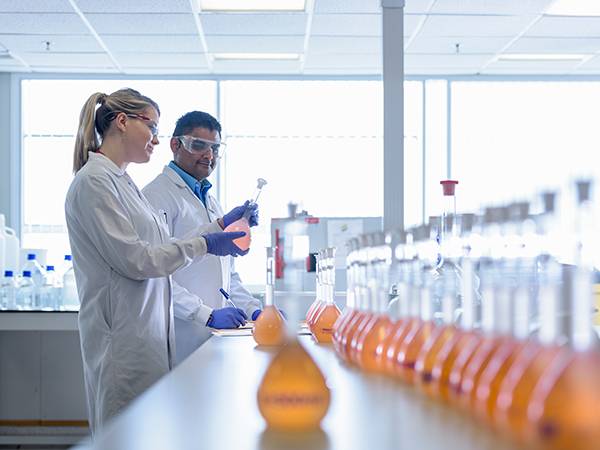
RSC Apprentice Prizes
Closes 18/01/2024
These prizes recognise outstanding contributions made by apprentices working in the chemical sciences.
→ Find out more
Rising Star in Industry Prize
Closes 18/01/2024
The Rising Star in Industry Prize recognises outstanding contributions made by individuals working in the chemical sciences in the early stages of their career in industry.
→ Find out more
Inclusion & Diversity Prize
Closes 18/01/2024
This prize recognises an individual or team whose innovative approaches/initiatives have delivered impact in improving the accessibility, inclusivity and diversity of the chemical science community.
→ Find out more