
Organic and Biomolecular Chemistry
The journal for organic synthesis, supramolecular chemistry, chemical biology and more.
Editor-in-Chief: Anthony Davis
Open Access: Hybrid

Organic & Biomolecular Chemistry publishes original and high impact research and reviews in organic chemistry.
ISSN: 1477-0539
Indexed in: MEDLINE, Web of Science, Scopus
Journal Impact factor
2.7 (2024)
First decision time (all)
15 days
First decision time (peer reviewed)
19 days
Scope
We welcome research that shows new or significantly improved protocols or methodologies in total synthesis, synthetic methodology or physical and theoretical organic chemistry as well as research that shows a significant advance in the organic chemistry or molecular design aspects of chemical biology, catalysis, supramolecular and macromolecular chemistry, theoretical chemistry, mechanism-oriented physical organic chemistry, medicinal chemistry or natural products.
Articles published in the journal should report new work which makes a highly-significant impact in the field. Routine and incremental work is generally not suitable for publication in the journal.
More details about key areas of our scope are below. In all cases authors should include in their article clear rationale for why their research has been carried out.
Organic synthesis
We welcome important research in all areas of organic synthesis, including studies on small organic molecules and biomolecules, and studies that report purely synthetic work without biological data. Total or multistep syntheses should report new or improved strategies or methods, or a more efficient route to the target compound.
Methodology studies should show a significant improvement on known methods. Research that extends the known methodology to a different class of compounds is generally not suitable unless that class is significantly different in scope to previously reported methodology. Where methods are directed towards a narrow range of structures, the importance of these targets must be clearly justified.
Physical and theoretical organic chemistry
We welcome studies that report new models of reactivity, selectivity, bonding or structure, or new computational methods and have relevance for the design of subsequent experiments. That relevance should be clearly justified in the paper. Relevance is perhaps most clearly demonstrated by the description of testable predictions derived from the results of the reported theoretical work; the tests of these predictions could be contained in the same paper in which the predictions are described. Computational research that merely reproduces experimental data is not suitable for OBC.
Chemical biology
We welcome articles that report new or improved methodologies in the chemical aspects of chemical biology, including design, development and use of chemical tools, chemical studies of biomolecules such as carbohydrates, proteins and nucleic acids or biological processes such as protein-protein interactions and epigenetics, and chemical methods such as imaging and labelling techniques.
Catalysis
We welcome studies on catalysis, including metal catalysis, organocatalysis, and biocatalysis, which present a significant organic chemistry advance. The application of a new catalyst to a known reaction must present a significant methodological advance. However, studies showcasing routine modification in the catalyst structure for a known reaction or the preparation of a compound library by a known catalytic reaction followed by routine photophysical or biological studies are typically not suitable.
Theoretical studies that provide significant new mechanistic insights into synthetic or biological catalysts are welcome. Routine biochemistry studies of catalytic mechanisms, for instance, routine studies using tools such as site-directed mutagenesis, are not typically suitable.
Supramolecular, macromolecular and organic materials
We welcome studies that report important new work in the molecular design of supramolecular or macromolecular compounds or organic materials either with a strong component in organic synthesis or with novel organic structural features. You may wish to consider our materials journals for articles outside this scope.
Sensors
We publish articles describing sensors for ions and/or molecules provided that they
- address targets and situations of practical relevance and
- represent significant and demonstrable improvements on previous methodology
In particular, sensors for species in artificial surroundings (for example, hydrophilic ions in organic solvents) will not typically be acceptable for publication.
Medicinal chemistry
We welcome studies that report significant synthetic or bioorganic research that is directed towards medicinal chemistry applications. Studies that show routine syntheses accompanied by biological testing are generally not suitable for OBC. Our companion journal, RSC Medicinal Chemistry, is more suitable for articles that report significant research in core medicinal chemistry disciplines.
Natural products
We welcome articles that report new and interesting syntheses of natural products (see author guidelines) or chemical studies of biosynthetic pathways. Isolation or identification studies are welcome when the compound being reported
- has a novel structural class with unreported carbon skeleton, unusual functional groups or unusual modifications and/or
- displays a potent or unexpected biological activity or an unexpected mechanism of action.
Routine isolation studies are not suitable for OBC.
Readership
Academic and industrial scientists working in organic chemistry, supramolecular chemistry, chemical biology and physical organic chemistry.
Information for authors
Want to publish in this journal? Our author guidelines explain how to prepare and submit your article and provide useful information on the review and publication process including transfers, revisions and any article processing charges (APCs) that may apply.
You can read our payments and funding information for further details about APCs, which may apply for publishing open access in this journal, as well available discounts and waivers.
You may be able to publish open access in this journal, with no APC to pay, if your institution has an open access agreement with us. You can use our journal finder tool to check for agreements between us and your institution.
Meet the team



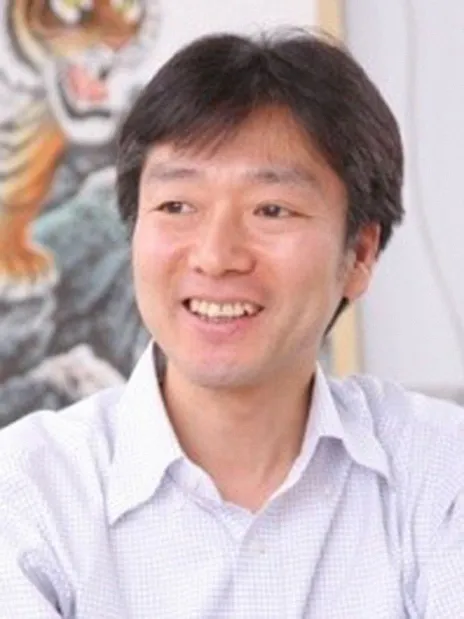

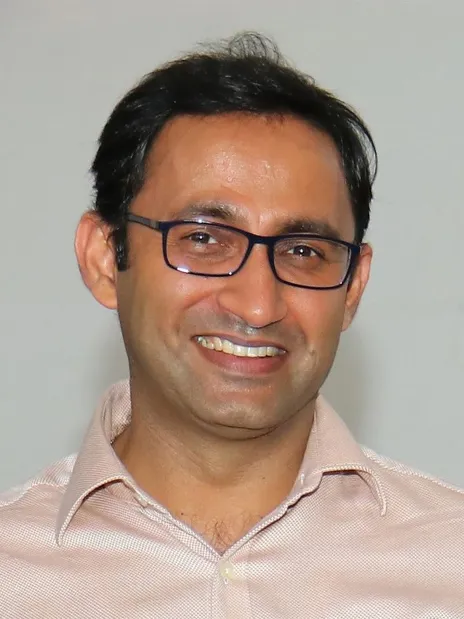


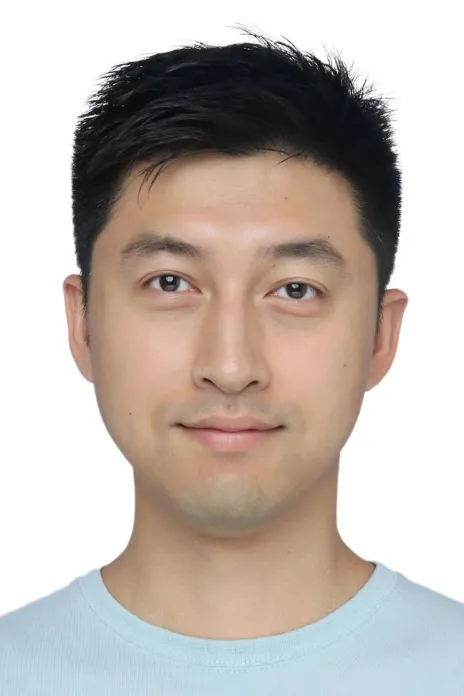

S.S.V Ramasastry
Editorial board member
Indian Institute of Science Education and Research (IISER) Mohali
View profile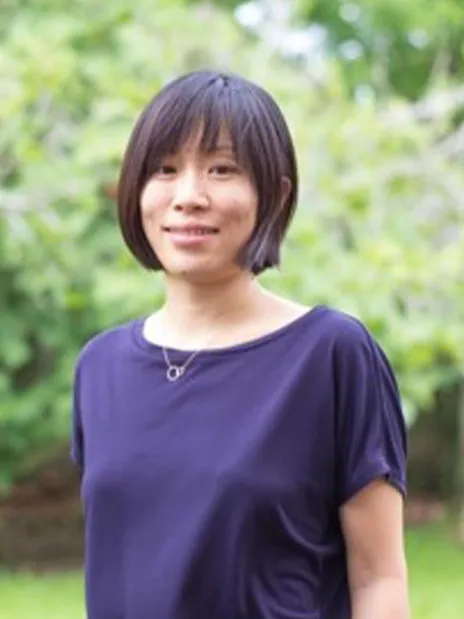
Igor Alabugin
Florida State University
Shunsuke Chiba
Nanyang Technological University
Andre Cobb
King's College London
Steven Cobb
Durham University
Ratmir Derda
University of Alberta
Antonio Echavarren
Institute of Chemical Research of Catalonia
Ben Feringa
University of Groningen
Amar Flood
Indiana University Bloomington
Carmen Galan
University of Bristol
Christian Hackenberger
Leibniz-Institut für Molekulare Pharmakologie and Humboldt Universität zu Berlin
View profileJason Harper
University of New South Wales
Ivan Huc
Ludwig-Maximilian University of Munich
Elizabeth Krenske
University of Queensland
Mahesh Lakshman
The City College of New York
Lei Liu
Tsinghua University
Shih-Yuan Liu
Boston College
Geraldine Masson
Institut de Chimie des Substances Naturelles (CNRS
Elizabeth New
University of Sydney
Dhevalapally Ramachary
University of Hyderabad
Paolo Scrimin
University of Padova
Oliver Seitz
Humboldt University of Berlin
Jay Siegel
University of Zürich
Corey Stephenson
University of Michigan
Dean Tantillo
University of California Davis
Mark Taylor
University of Toronto
Georgios Vassilikogiannakis
University of Crete
Helma Wennemers
ETH Zürich
Peter Wipf
University of Pittsburgh
Shuli You
Shanghai Institute of Organic Chemistry
Jian Zhou
East China Normal University
Katie Lim
Executive Editor
Hannah Fowler
Deputy Editor
Daniel Robertshaw
Development Editor
Sarah Anthony
Editorial Manager
Nicola Burton
Publishing Editor
Tom Cozens
Publishing Editor
Ryan Kean
Publishing Editor
Thomas Hitchings
Publishing Editor
Donna Smith
Publishing Editor
Sam Keltie
Publisher

Emily Prior
Editorial Assistant
Read this journal

Communication
Photoinitiated thiol–ene mediated functionalisation of 4,5-enoses
Paper
Triflic acid catalyzed intermolecular hydroamination of alkenes with Fmoc-NH2 as the amine source
Communication
Competition and cooperation between steric hindrance and hydrogen bonding of supramolecular discs
Paper
Inhibition of acrylic acid and acrylate autoxidation
More from this journal
Contact the journal team
We're here to help. Contact the journal team if you have any questions about publishing your paper with us.
Sign up for journal email alerts
Get table of contents alerts and notifications about calls for papers, themed issues and more.