
Environmental Science: Processes and Impacts
A multidisciplinary journal for the environmental chemical sciences.
Editor-in-Chief: Elsie Sunderland
Open Access: Hybrid
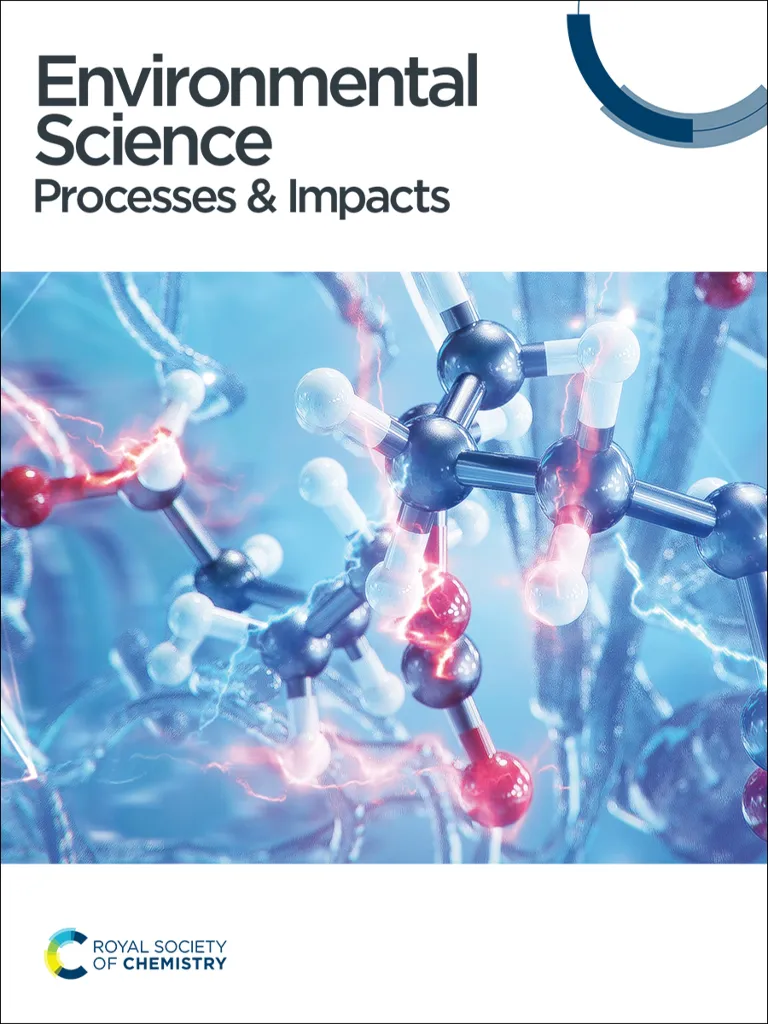
Environmental Science: Processes & Impacts publishes high quality papers and innovative perspectives that advance the understanding of chemical processes in the environment and their resulting impacts.
ISSN: 2050-7895
Journal Impact factor
3.9 (2024)
First decision time (all)
16 days
First decision time (peer reviewed)
54 days
Scope
The journal publishes research in all areas of the environmental chemical sciences, interfacing with earth science, applied science, and policy solutions, including:
- Environmental chemistry – sources, fate, transport and transformation of organic compounds, environmental contaminants and novel entities in the environment
- Atmospheric and indoor chemistry – chemical processes in the atmosphere, air quality, aerosol chemistry, indoor air and human exposure
- Geochemistry and biogeochemical cycles – elemental cycling, climate change impacts
- Ecotoxicology and human health impacts – exposure, effects and risks
- Pathogen or biological contaminant fate and transport
The journal also publishes research with direct applications in:
- Environmental management and pollution control
- Science-Policy interface – environmental decision making
- Safe and sustainable chemistry – life cycle assessment, material flow analysis, circular economy
Papers that are focused primarily on water engineering and treatment technologies or on the environmental behaviour of engineered nanomaterials would be better suited to our sister journals, Environmental Science: Water Research & Technology and Environmental Science: Nano.
Readership
Industrial and academic scientists and professionals involved with assessing environmental and biological impacts; measurement and analytical scientists; legislators; government bodies; national and international environmental agencies; health and safety experts; toxicologists; industrial and occupational health professionals; medical and clinical researchers; technology and instrumentation experts.
Information for authors
Want to publish in this journal? Our author guidelines explain how to prepare and submit your article and provide useful information on the review and publication process including transfers, revisions and any article processing charges (APCs) that may apply.
You can read our payments and funding information for further details about APCs, which may apply for publishing open access in this journal, as well available discounts and waivers.
You may be able to publish open access in this journal, with no APC to pay, if your institution has an open access agreement with us. You can use our journal finder tool to check for agreements between us and your institution.
Meet the team
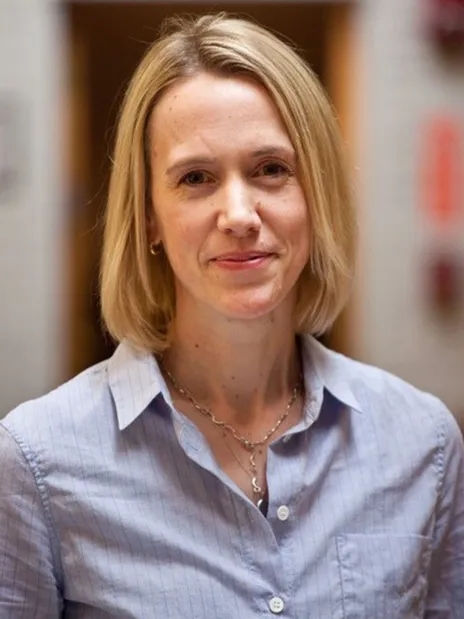

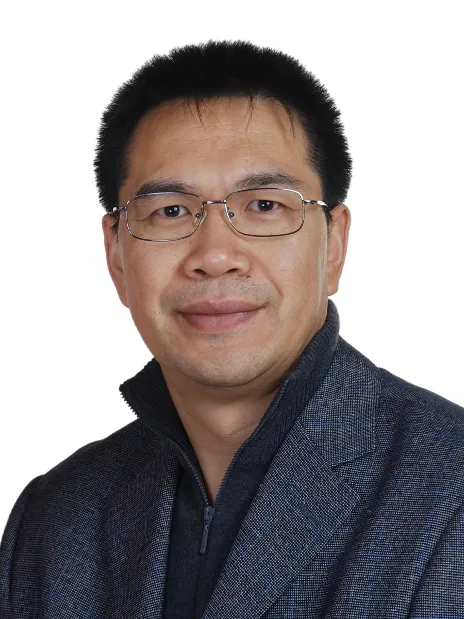
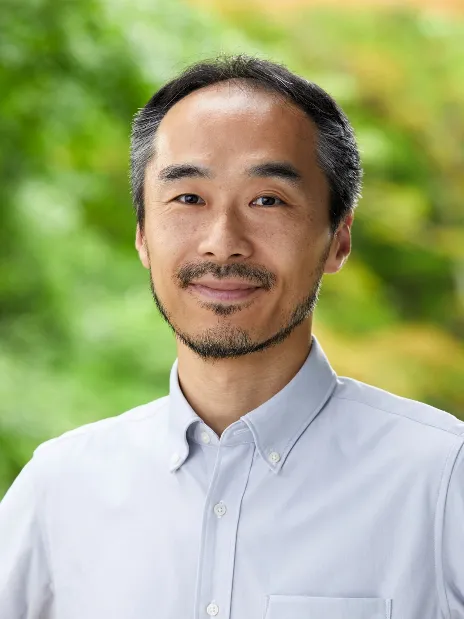
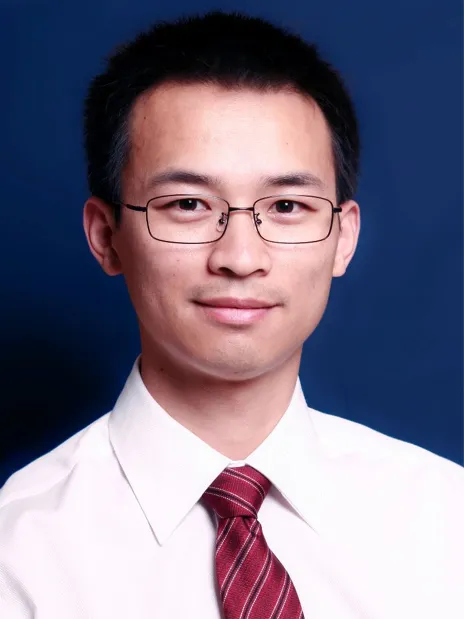
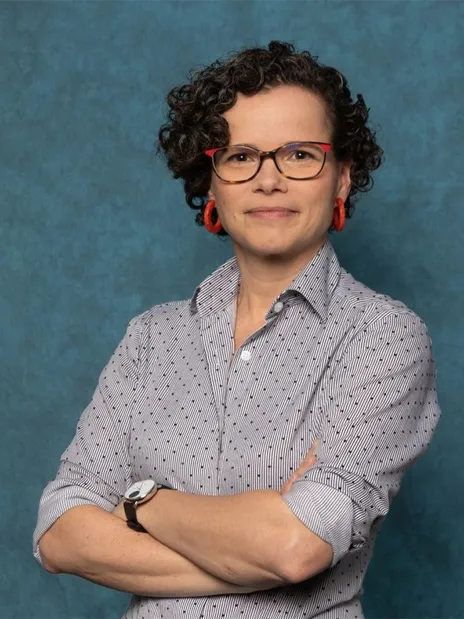
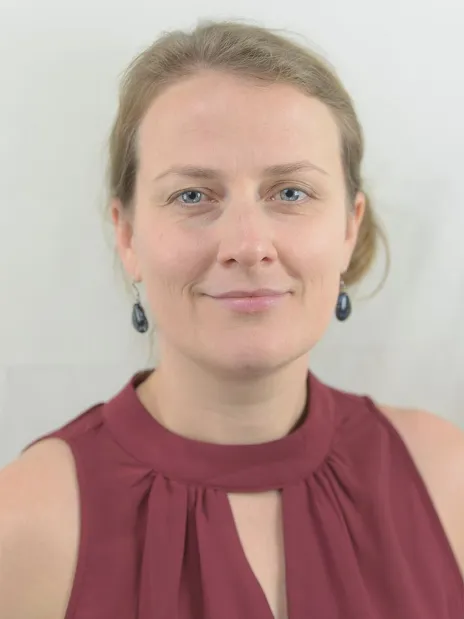


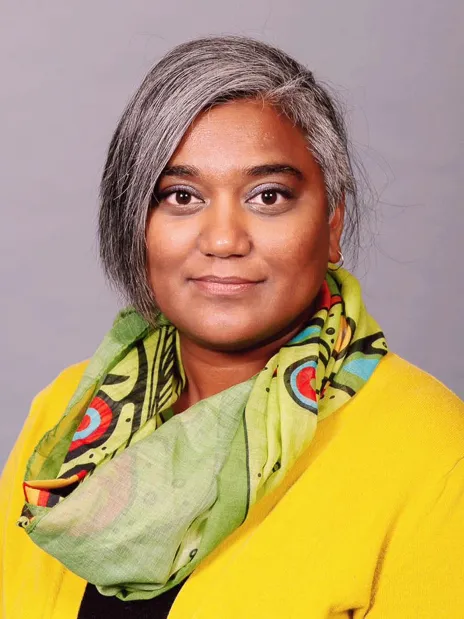
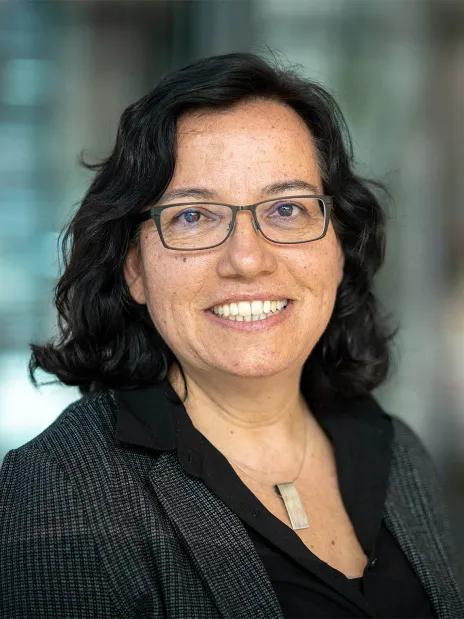
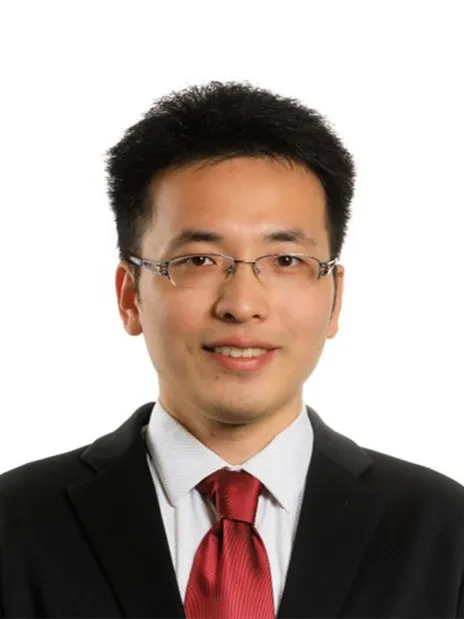


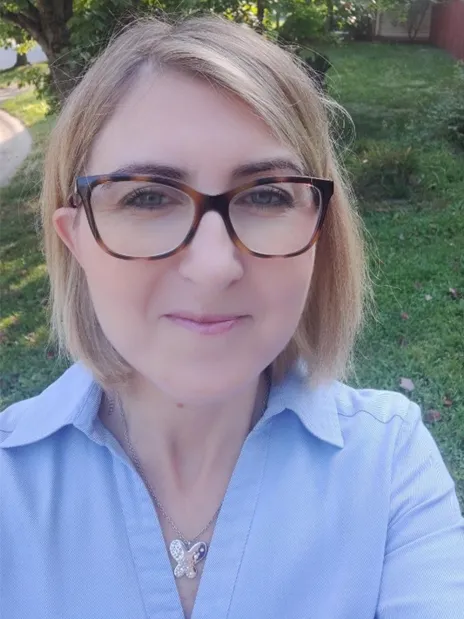
Ludmilla Aristilde
Northwestern University
Urs Baltensperger
Paul Scherrer Institute
Alexandria Boehm
Stanford University
Richard Brown
National Physical Laboratory
Junji Cao
Institute of Earth Environment
Delphine Farmer
Colorado State University
Tamara Galloway
University of Exeter
Marianne Glasius
Aarhus University
Philip Gschwend
Massachusetts Institute of Technology (MIT)
Liang-Hong Guo
China Jiliang University
Colleen Hansel
Woods Hole Oceanographic Institution
Hans Christian Bruun Hansen
University of Copenhagen
Stuart Harrad
University of Birmingham
Heileen Hsu-Kim
Duke University
Jianying Hu
Peking University
Andreas Kappler
University of Tübingen
Karen Kidd
McMaster University
Edward Kolodziej
University of Washington
Ruben Kretzschmar
ETH Zürich
Florent Louis
University of Lille
Matthew MacLeod
Stockholm University
Kristopher McNeill
ETH Zürich
Derek Muir
Environment and Climate Change Canada
Kara Nelson
University of California
Noelle Selin
Massachusetts Institute of Technology (MIT)
Susan Solomon
Massachusetts Institute of Technology (MIT)
Sachchida Nand Tripathi
Indian Institute of Technology Kanpur
David Waite
University of New South Wales
Frank Wania
University of Toronto at Scarborough
Guang-Guo Ying
SCNU Environmental Research Institute & School of Environment
Kathryn Gempf
Executive Editor
Alexander John
Deputy Editor
Lucy Argyle
Editorial Manager
Sophia Voukelatos
Editorial Assistant
Chloe Wallace
Assistant Editor
Emily Ellison
Assistant Editor
Lauren Yarrow-Wright
Assistant Editor
Kevin Vincent
Assistant Editor
Alexandre Dumon
Assistant Editor
Brian Li
Assistant Editor
Lee Colwill
Publishing Assistant
Sam Keltie
Publisher
Read this journal

Paper
Spontaneous aqueous defluorination of trifluoromethylphenols: substituent effects and revisiting the mechanism
Paper
PFAS drinking water treatment trade-offs: comparing the health burden of GAC treatment to the health benefits of reduced PFAS exposure
Critical review
Heavy Metal Contamination in Wastewater-Irrigated Vegetables: Assessing the Food Safety Challenges in Developing Asian Countries
Paper
Physicochemical differences between wildfire pyrogenic carbon and slow-pyrolysis biochar suggest variations in elemental transport potential
More from this journal
Contact the journal team
We're here to help. Contact the journal team if you have any questions about publishing your paper with us.
Sign up for journal email alerts
Get table of contents alerts and notifications about calls for papers, themed issues and more.