
Biomaterials Science
An international high impact journal exploring the science of biomaterials and their translation towards clinical use.
Editor-in-Chief: Jianjun Cheng
Open Access: Hybrid

Biomaterials Science is an international high impact journal exploring the science of biomaterials and their translation towards clinical use. This is an official journal of the European Society for Biomaterials
ISSN: 2047-4849
Indexed in: MEDLINE
Journal Impact factor
5.7 (2024)
First decision time (all)
13 days
First decision time (peer reviewed)
37 days
Scope
Biomaterials Science scope encompasses new concepts in biomaterials design, studies into the interaction of biomaterials with the body, and the use of materials to answer fundamental biological questions.
Papers do not necessarily need to report a new biomaterial but should provide novel insight into the biological applications of the biomaterial. Articles that primarily focus on demonstrating novel materials chemistry and bring a molecular picture to bear on a given material’s suitability as a biomaterial are more suited to our companion journal, Journal of Materials Chemistry B.
Biomaterials Science publishes primary research and review-type articles in the following areas:
- molecular design of biomaterials, including translation of emerging chemistries to biomaterials
- science of cells and materials at the nanoscale and microscale
- materials as model systems for stem cell and human biology
- materials for tissue engineering and regenerative medicine
- (Nano)materials and (nano)systems for therapeutic delivery
- interactions at the biointerface
- biologically inspired and biomimetic materials, including bio-inspired self-assembly systems and cell-inspired synthetic tools
- next-generation biomaterials tools and methods
Information for authors
Want to publish in this journal? Our author guidelines explain how to prepare and submit your article and provide useful information on the review and publication process including transfers, revisions and any article processing charges (APCs) that may apply.
You can read our payments and funding information for further details about APCs, which may apply for publishing open access in this journal, as well available discounts and waivers.
You may be able to publish open access in this journal, with no APC to pay, if your institution has an open access agreement with us. You can use our journal finder tool to check for agreements between us and your institution.
Meet the team
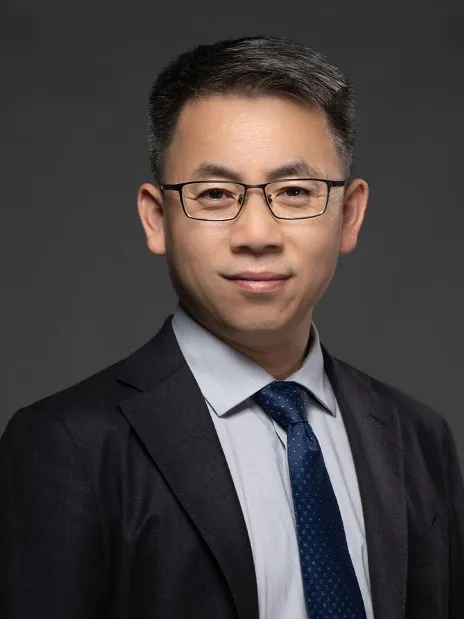
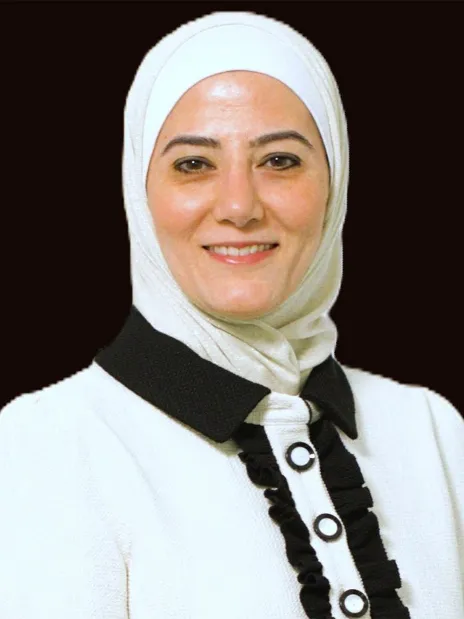


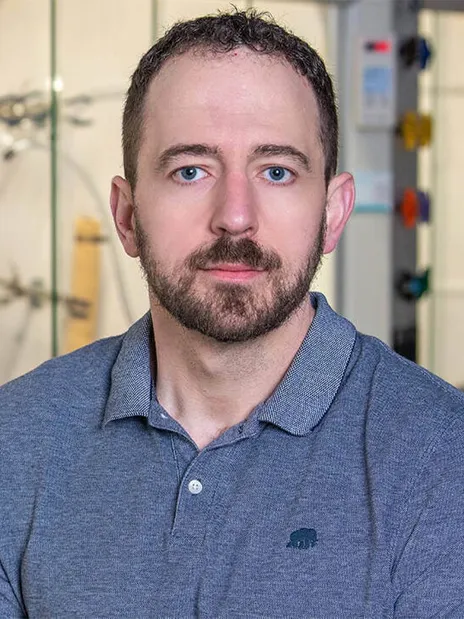

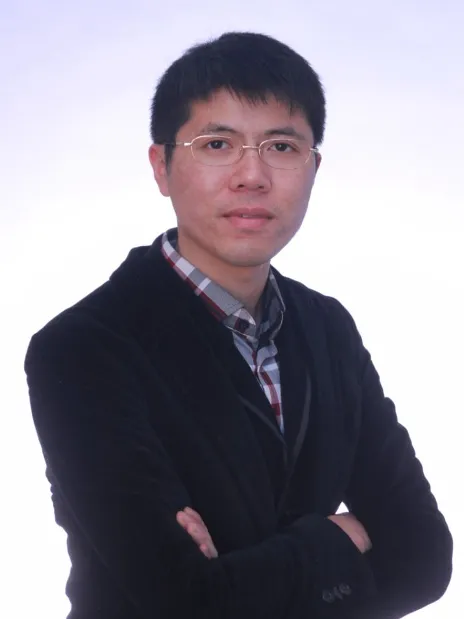


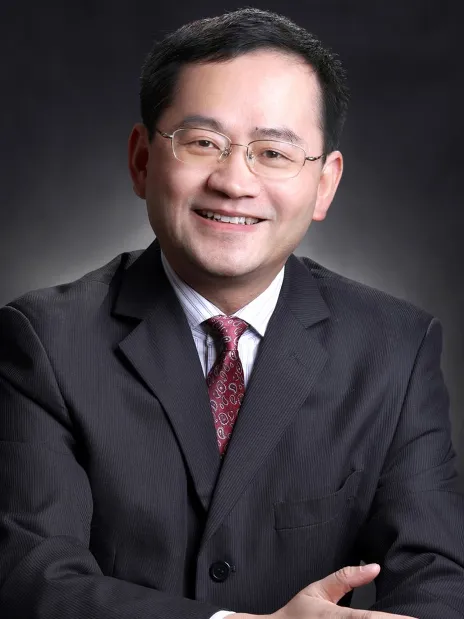
Kazunari Akiyoshi
Kyoto University
Professor Cameron Alexander
University of Nottingham
Eric Appel
Stanford University
Edmondo Benetti
University of Padova
Mark Bradley
University of Edinburgh
Jayanta Chatterjee
Indian Institute of Science
Arabinda Chaudhuri
Indian Institute of Science Education and Research (IISER) Kolkata
Yiyun Cheng
East China Normal University
Joel Collier
Duke University
Justin Cooper-White
University of Queensland
Honggang Cui
Johns Hopkins University
Jianwu Dai
Institute of Genetics and Developmental Biology of CAS
Cole DeForest
University of Washington
Andrew Dove
University of Birmingham
Yizhou Dong
The Ohio State University
Hongwei Duan
Nanyang Technological University
Nicholas Dunne
Dublin City University
Jennifer Elisseeff
Johns Hopkins University
Dong Keun Han
Cha University
Ngan Huang
Stanford
Chris Jewell
University of Maryland
Ali Khademhosseini
Terasaki Institute for Biomedical Innovation
Won Jong Kim
Pohang University of Science and Technology
April Kloxin
University of Delaware
Christine Le Maitre
University of Sheffield
Haeshin Lee
KAIST
Khoon Lim
University of Sydney
Matthias Lutolf
École Polytechnique Fédérale de Lausanne
Atsushi Maruyama
Tokyo Institute of Technology
Phillip Messersmith
University of California
Aline Miller
University of Manchester
Hyejung Mok
Konkuk University
Steve Oh
A*STAR
Shaunak Pandya
Prolong Pharmaceuticals
Ling Peng
Aix-Marseilles Université
Nicholas Peppas
University of Texas at Austin
Catherine Picart
Grenoble INP
Tilo Pompe
University of Leipzig
Amirali Popat
University of Queensland
Suzie Pun
University of Washington
Shun Shen
Tongji University
Molly Shoichet
University of Toronto
Xintao Shuai
Sun Yat-sen University
Aasheesh Srivastava
Indian Institute of Science Education and Research (IISER)
Patrick Stayton,
University of Washington
Marcus Textor
ETH Zürich
Takafumi Ueno
Tokyo Institute of Technology
Jun Wang
South China University of Technology
Tanja Weil
Max Planck Institute for Polymer Research
Stephanie Willerth
University of Victoria
Zimei Wu
The University of Auckland
Evelyn Yim
Waterloo
Can Zhang
China Pharmaceutical University
Maria Southall
Executive Editor
Cara Sutton
Editorial Manager
Molly Colgate
Assistant Editor
Katie Morton
Assistant Editor
Charu Storr-Vijay
Assistant Editor
Alison Winder
Assistant Editor
Basita Javeed
Editorial Assistant
Allison Holloway
Publishing Assistant
Sam Keltie
Publisher
Read this journal

Paper
Biofunctionalization of electrospun silk scaffolds with perlecan for vascular tissue engineering
Paper
From saccharides to synthetics: exploring biomaterial scaffolds as cell transduction enhancers
Paper
Antimicrobial 3D printed gelatin scaffolds for root canal disinfection in regenerative endodontics procedures
Paper
Biocompatible composite hydrogel with on-demand swelling-shrinking properties for 4D bioprinting
More from this journal
Contact the journal team
We're here to help. Contact the journal team if you have any questions about publishing your paper with us.
Sign up for journal email alerts
Get table of contents alerts and notifications about calls for papers, themed issues and more.