
Catalysis Science and Technology
A multidisciplinary journal focusing on cutting edge research across all fundamental science and technological aspects of catalysis.
Editor-in-chief: Bert Weckhuysen
Open Access: Hybrid
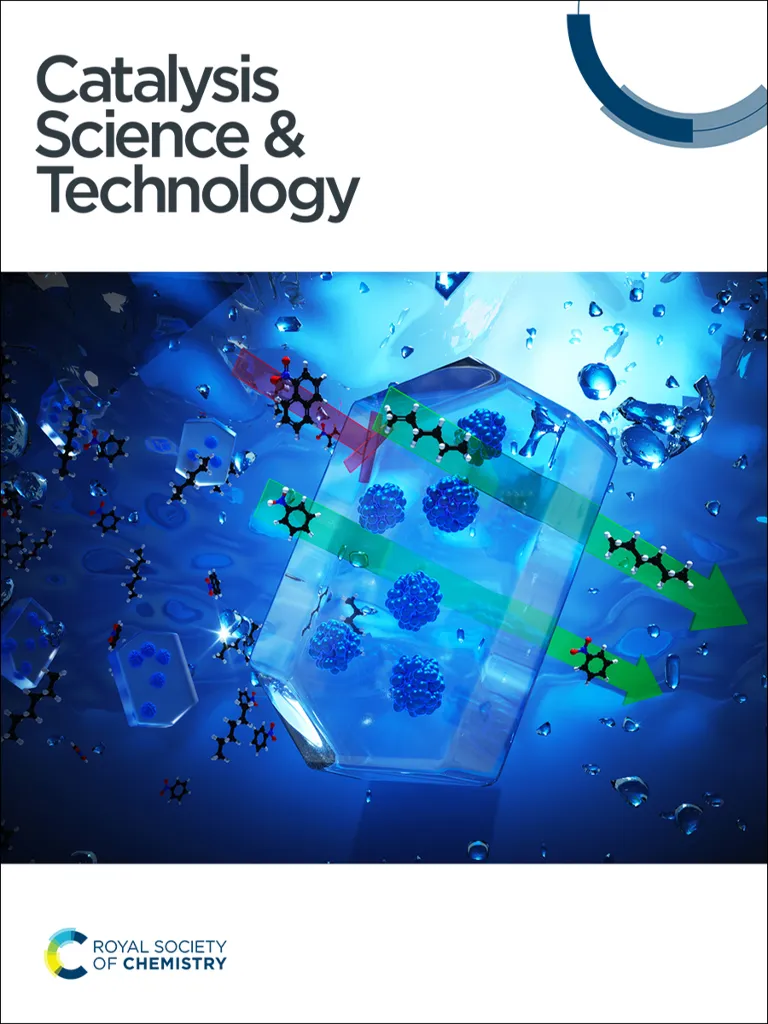
Catalysis Science & Technology is committed to publishing research reporting high-quality, cutting-edge developments across the catalysis community at large. The journal places equal focus on publications from the heterogeneous, homogeneous, thermo-, electro-, photo-, organo- and biocatalysis communities.
ISSN: 2044-4761
Indexed in: Science Citation Index (SCI), Scopus
Journal Impact factor
4.2 (2024)
First decision time (all)
15 days
First decision time (peer reviewed)
29 days
Scope
Works published in the journal feature a balanced mix of fundamental, technology-oriented, experimental, computational, digital and data-driven original research, thus appealing to catalysis practitioners in both academic and industrial environments.
Original research articles published in the journal must demonstrate new catalytic discoveries and/or methodological advances that represent a significant advance on previously published work, from the molecular to the process scales. We welcome rigorous research in a wide range of timely or emerging applications related to the environment, health, energy and materials.
Catalysis Science & Technology publishes Communications, Articles, Reviews and Perspectives. More details regarding manuscript types may be found in the Information for Authors section.
Readership
Academic and industrial chemists of all disciplines using heterogeneous and homogeneous catalysis: organic, organometallic, inorganic and bio(in)organic chemists; biochemists; physical and theoretical chemists; materials, polymer, surface, and environmental scientists.
Information for authors
Want to publish in this journal? Our author guidelines explain how to prepare and submit your article and provide useful information on the review and publication process including transfers, revisions and any article processing charges (APCs) that may apply.
You can read our payments and funding information for further details about APCs, which may apply for publishing open access in this journal, as well available discounts and waivers.
You may be able to publish open access in this journal, with no APC to pay, if your institution has an open access agreement with us. You can use our journal finder tool to check for agreements between us and your institution.
Meet the team



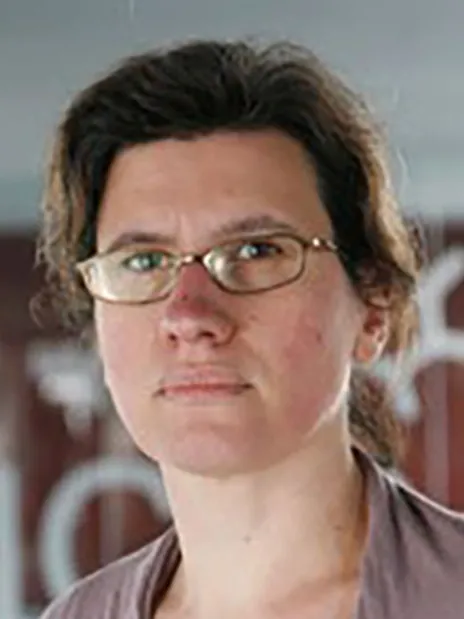


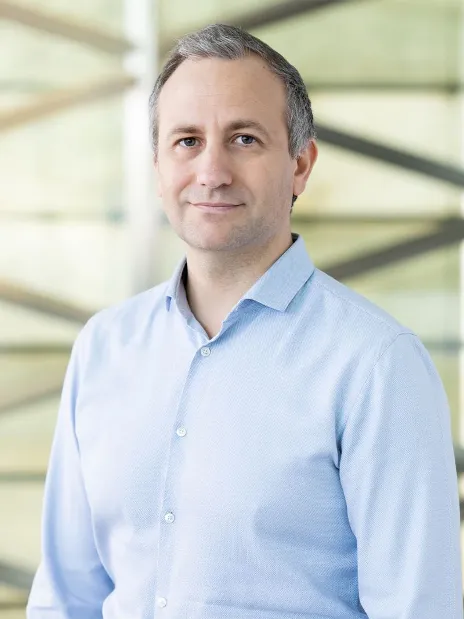



Isabel Arends
Utrecht University
Xinhe Bao
State Key Laboratory of Catalysis
Bhalchandra Bhanage
Institute of Chemical Technology
George Britovsek
Imperial College London
Christian Bruneau
Institut des Sciences Chimiques de Renne
Matt Clarke
University of St Andrews
Christophe Coperet
ETH Zürich
Avelino Corma
Valencia University
Johannes de Vries
LIKAT Rostock
Chris Hardacre
University of Manchester
Graham Hutchings
Cardiff University
Axel Knop-Gericke
Fritz-Haber Institute of the Max Planck Society
Can Li
Dalian Institute of Chemical Physics
Antoni Llobet
ICIQ
Jennifer Love
University of Calgary
Ding Ma
Peking University
Debabrata Maiti
IIT Bombay
Noritaka Mizuno
The University of Tokyo
Regina Palkovits
RWTH Aachen
Evgeny Pidko
Delft University of Technology
Robert M Rioux
The Pennsylvania State University
Liane M. Rossi
Universidade de São Paulo
Tito Scaiano
University of Ottawa
Tetsuya Shishido
Tokyo Metropolitan University
Tsunehiro Tanaka
University of Kyoto
Nick Turner
University of Manchester
Piet van Leeuwen
University of Toulouse
Chris Williams
University of South Carolina
Ning Yan
National University of Singapore
Jinhua Ye
National Institute for Materials Science (NIMS)
Maria Southall
Executive Editor
Kay Burrows
Deputy Editor
Emily Skinner
Editorial Manager
Molly Colgate
Assistant Editor
Katie Morton
Assistant Editor
Charu Storr-Vijay
Assistant Editor
Alison Winder
Assistant Editor
Basita Javeed
Editorial Assistant
Allison Holloway
Publishing Assistant
Sam Keltie
Publisher
Read this journal

Paper
Insight into the activity and mechanism of FeNiB LDH electrocatalysts in alkaline OER via operando DRIFTS
Paper
Improved stereocontrol in reductive aminases through steric modification of residues around substrate and cofactor binding pockets
Paper
Immobilization of a chiral rhodium catalyst on carbon nanotubes via non-covalent interaction for heterogeneous asymmetric hydrogenation
Paper
Cationic Zr catalysts for the sequential polymerisation of alkenes and cyclic oxygenated monomers
More from this journal
Contact the journal team
We're here to help. Contact the journal team if you have any questions about publishing your paper with us.
Sign up for journal email alerts
Get table of contents alerts and notifications about calls for papers, themed issues and more.