



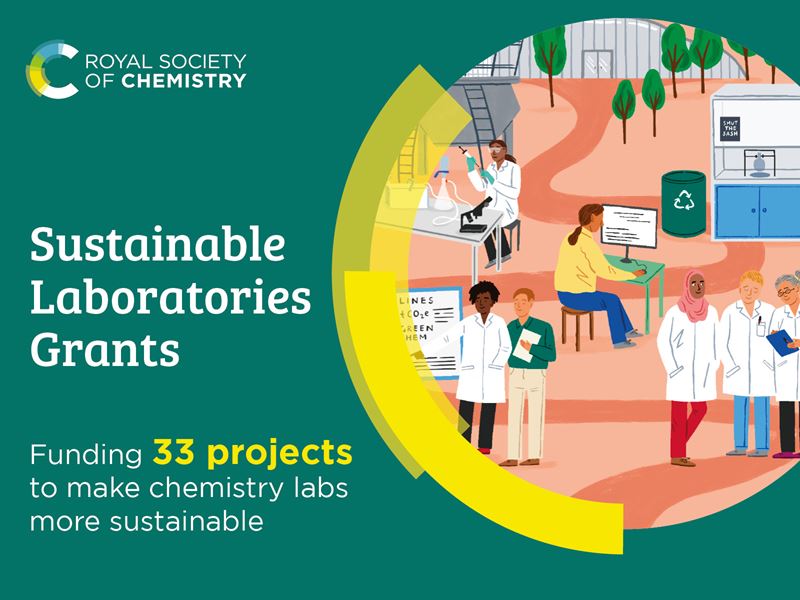
33 projects awarded grants to cut environmental footprint of labs
25 April 2024 The Royal Society of Chemistry has announced the first projects funded by our new Sustainable Laboratories Grants, which are designed to help improve the environmental footprint of chemistry research.
University of Macau strikes deal to join our growing global Open Access community
26 March 2024 The addition of Macau to our OA community takes the total number of countries and regions in which we have partner organisations up to 41.
RSC joins call for urgent clarity on chemicals strategy
14 March 2024 We have joined environmental charities and organisations from across the chemical sciences to issue a statement calling for urgent updates from the UK Government.
Successful conclusion of Burlington House lease negotiations
8 March 2024 The Department of Levelling Up, Housing and Communities has announced the successful conclusion of a process that will grant the Royal Society of Chemistry and our Learned Society neighbours a 999-year leasehold agreement for Burlington House.

Royal Society of Chemistry response to the 2024 UK Budget Statement
6 March 2024 Tanya Sheridan, our Head of Policy and Evidence, has shared her thoughts on the impacts for the chemical sciences after Chancellor Jeremy Hunt's address to Parliament.

Accreditation first as Keele University masters-level apprenticeship programme earns prestigious RSC quality mark
4 March 2024 The Research Scientist programme awards successful apprentices an MSc and backs up our belief in the value of technicians to the chemistry world.

Teacher survey shows science staffing crisis disproportionately affects disadvantaged students
27 February 2024 About half of science teachers in schools with a high proportion of free school meals reported understaffing; 42% report high staff turnover

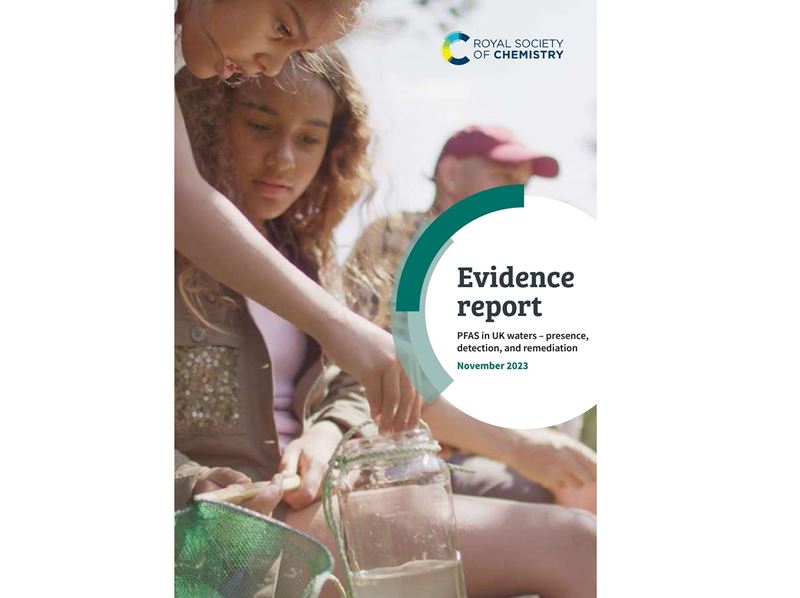
PFAS evidence report explores options for tackling ‘forever chemicals’ problem
14 February 2024 Remediation methods capable of combating the ‘forever chemicals’ crisis have been laid out in a new evidence report on PFAS.
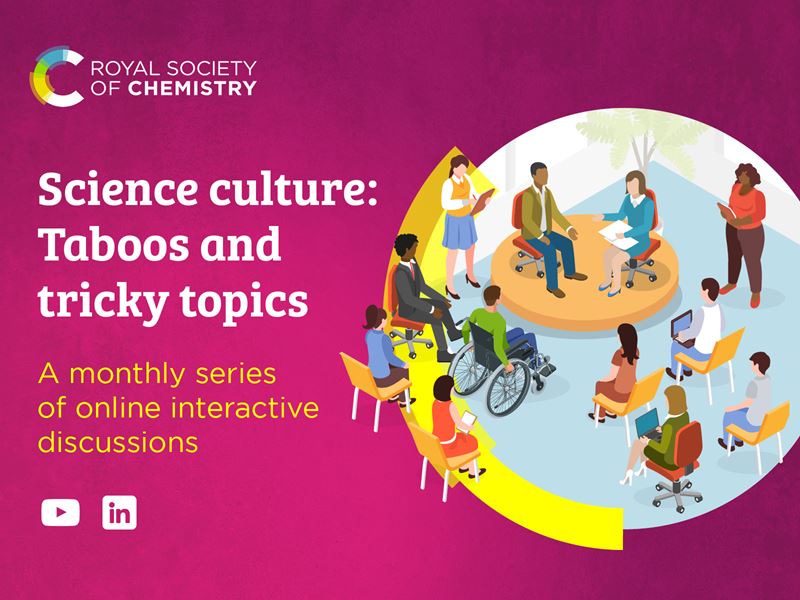
Join the conversation about science culture
13 February 2024 14 February sees the launch of our new series of challenging conversations about science culture, entitled "Taboos and tricky topics". Tune in to hear from representatives across the chemistry community, and have your say.
Boost for researchers as 14 additional RSC journals made available on academic index
1 February 2024 A total of 36 RSC-owned titles can now be found on Inspec thanks to an updated agreement.

Royal Society of Chemistry and TIB co-create next generation Open Access consortium model
29 January 2024 Four-year agreement supports authors and readers at 77 institutions in Germany.
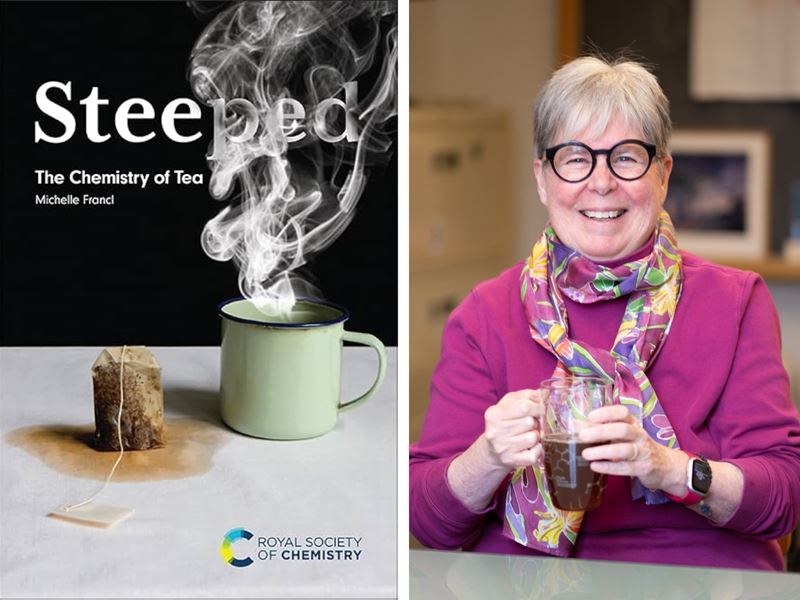
Global interest in new tea book brewing thanks to salted tea tip
25 January 2024 Steeped, by Dr Michelle Francl, offers tips on making better brews and has intrigued tea lovers around the world.
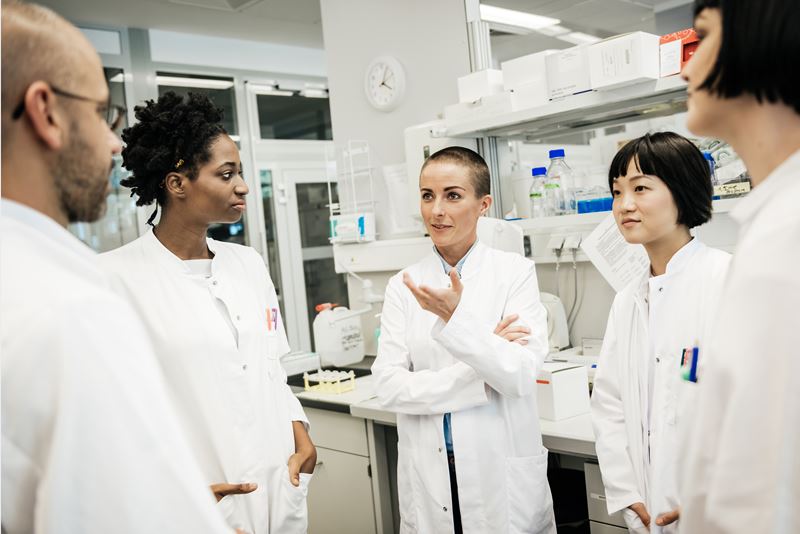
Government's changes to migration rules could damage UK's science future
8 December 2023 Changes to skilled and student visas and fees could hinder the UK's 'science superpower' ambitions - which is why we are urgently seeking reassurances from Westminster about their commitment to building strong scientific communities.
Two new appointed members have joined the RSC’s Board of Trustees
1 December 2023 Dr Alexander Reip and Dr Rehana Sidat have extensive experience of working with us and will add valuable commercial acumen to our leadership team.

Nominations window open for 2024 RSC elections
1 December 2023 Members have until 5 February to put names forward and help chart the course of the chemistry community.
New RSC disability hub provides resources and insights
30 November 2023 Our new disability web hub comprises our Disability Landscape Report, giving insights into the experiences of disabled chemists across industry and academia, as well as resources and support for both individuals and employers.
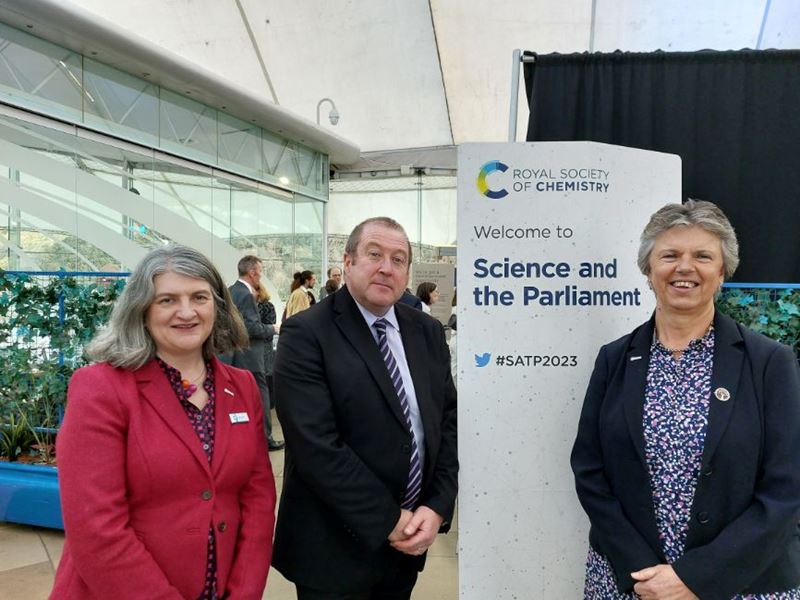
Top marks! Education on the agenda at Science and the Parliament
27 November 2023 The future of teaching and learning was the top topic of conversation during the 23rd edition of our annual science-politics mixer in Edinburgh.ty from payroll.
University of Cyprus joins our Open Access community after striking 'RSC Platinum' agreement
8 March 2024 The Royal Society of Chemistry is happy to announce an innovative new agreement with the University of Cyprus, marking our first Open Access deal in the country.
Press office
- Tel:
- +44 (0) 20 7440 3351
- Email:
- Send us an email
Share
Spotlight